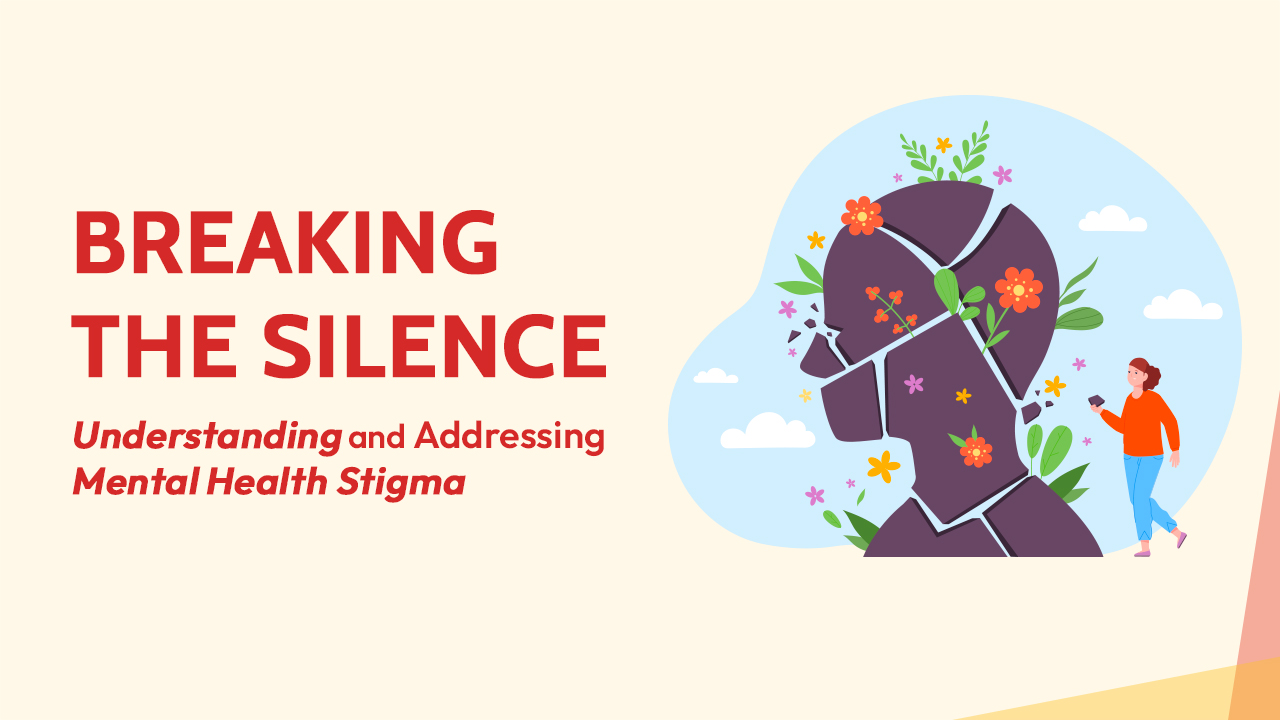
In recent times, people have begun talking more openly about mental health, yet stigma remains a significant barrier to emotional well-being. Even with growing awareness, many individuals hesitate to seek help because they fear judgment, discrimination, or misunderstanding.
Speaking up about mental health requires courage, but it is also a shared responsibility. Creating change calls for empathy, education, and meaningful action from everyone.
Understanding Mental Health Stigma
Stigma refers to negative attitudes, beliefs, or behaviors toward people experiencing mental health challenges. It often stems from misinformation, cultural myths, and a lack of understanding.
For many years, mental illness has been wrongly viewed as a weakness or personal failure. These beliefs can isolate individuals and intensify their struggles rather than offering support.
Stigma can take several forms:
- Social stigma: Stereotyping or exclusion by others
- Self-stigma: Feelings of shame or guilt about one’s own mental health
- Structural stigma: Unfair treatment within workplaces, schools, or healthcare systems
These forms of stigma often overlap, making it even harder for people to reach out for help.
The Impact of Stigma
Mental health stigma has serious and wide-ranging consequences. Many people delay seeking help, which can worsen symptoms and slow recovery.
Stigma can affect relationships, employment opportunities, education, and overall quality of life. In some communities, silence around mental health increases isolation, hopelessness, and, in extreme cases, the risk of self-harm or suicide.
For example, a young professional with anxiety may avoid informing their employer out of fear of being seen as unreliable. A student with depression may stay silent if they believe their feelings will be dismissed as “just a phase.”
The Role of Education and Awareness
Education is one of the most powerful tools for challenging stigma. When people understand that mental health conditions are medical issues, similar to diabetes or heart disease, they are more likely to respond with compassion instead of judgment.
Awareness campaigns, school programs, and open conversations help dismantle myths and normalize help-seeking behavior.
Media representation also plays a crucial role. Accurate and sensitive storytelling can replace harmful stereotypes with understanding. When public figures share their mental health journeys, they encourage others to seek support without fear.
Creating Supportive Communities
Breaking the silence requires building environments where people feel safe and accepted. Workplaces can introduce mental health policies, counseling services, and open dialogue. Schools and universities can teach emotional awareness and early intervention.
Communities can host workshops, awareness events, and support groups that focus on empathy rather than judgment.
Moving Forward
On a personal level, small actions matter. Listening without judgment, offering genuine support, and avoiding harmful labels can make a meaningful difference.
Challenging mental health stigma is not a one-time effort. It requires patience, consistency, and compassion. Every conversation, every act of understanding, and every shared experience helps break the silence.
When we replace stigma with support, we create a society where mental health is valued as an essential part of overall well-being, and where people feel free to heal, grow, and live authentically.