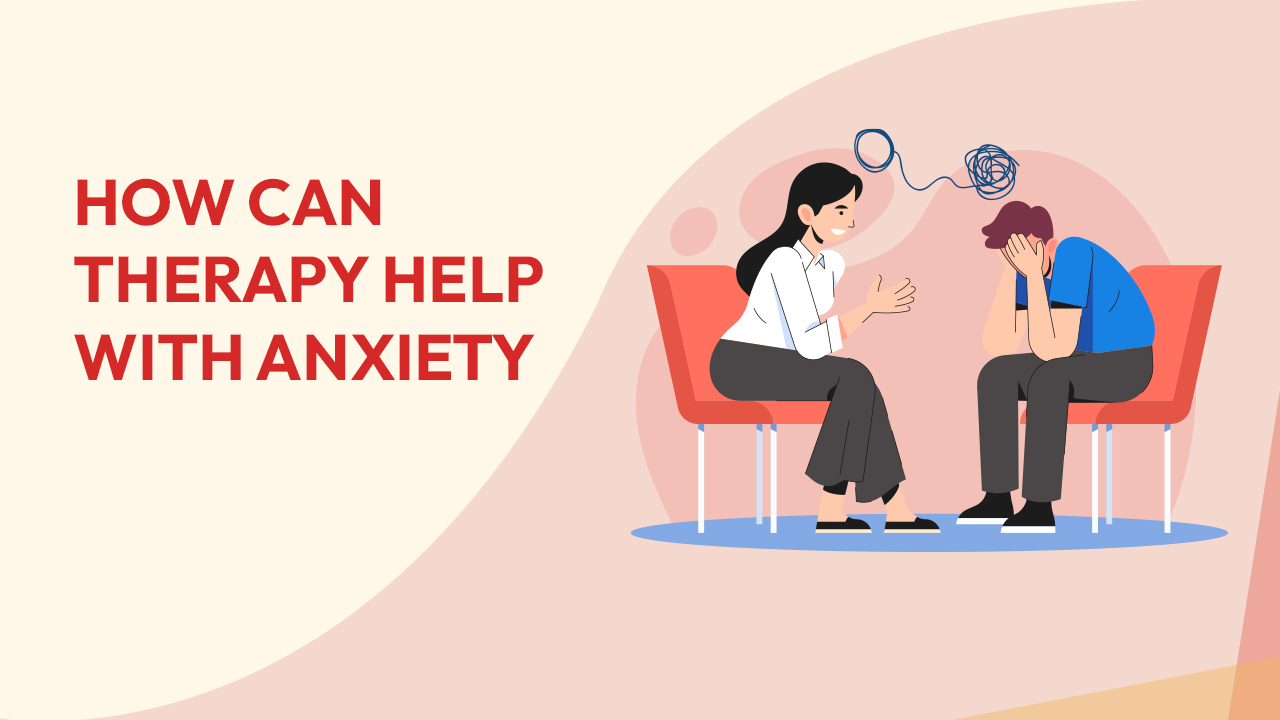
Akash was a student never known to be indifferent or lazy. On the surface, he seemed to have a well-organized life with good grades, supportive parents, and a career in sight. But beneath that calm surface, he struggled. Simple daily tasks felt overwhelming, his mind raced late into the night, and even small decisions became exhausting.
Akash’s experience is not unusual. Anxiety has become one of the most common mental health challenges in modern life. While occasional worry is a natural human reaction, persistent anxiety can disrupt daily routines, relationships, and emotional well-being. Fortunately, therapy offers effective ways to understand and manage anxiety while helping individuals build resilience.
Understanding Anxiety: Causes and Symptoms
Anxiety is more than simply feeling nervous before an important event. It can appear as constant worry, racing thoughts, restlessness, and difficulty concentrating. Physically, individuals may experience a rapid heartbeat, sweating, muscle tension, fatigue, or sleep disturbances.
In some cases, anxiety is linked to specific situations such as exams, social interactions, or career uncertainty. In other situations, anxiety appears without a clear trigger, creating a persistent feeling of unease that can be difficult to control.
Over time, individuals experiencing anxiety may begin avoiding situations that make them uncomfortable. This avoidance can lead to missed opportunities, delayed responsibilities, and increased isolation. Therapy helps individuals recognize these patterns and understand how their thoughts and behaviors contribute to anxiety.
Cognitive Behavioral Therapy (CBT): Changing Thought Patterns
Cognitive Behavioral Therapy (CBT) is one of the most widely used and effective approaches for treating anxiety. It focuses on identifying negative thought patterns and replacing them with more balanced perspectives.
For example, someone experiencing social anxiety may believe that others will judge them harshly for any mistake. Through therapy, individuals learn to question whether such thoughts are based on facts or assumptions.
Gradually, individuals begin to develop healthier ways of thinking. Instead of assuming constant criticism from others, they may realize that most people are focused on their own lives rather than judging others.
CBT also includes behavioral techniques such as gradual exposure to situations that trigger anxiety. By approaching these situations step by step, individuals gain confidence and reduce fear over time.
Mindfulness and Acceptance-Based Approaches
Another group of therapeutic approaches focuses on mindfulness and acceptance. Techniques used in therapies such as Mindfulness-Based Cognitive Therapy (MBCT) and Acceptance and Commitment Therapy (ACT) help individuals observe their thoughts and emotions without becoming overwhelmed by them.
Practices such as breathing exercises, meditation, and grounding techniques help individuals remain present in the moment. This reduces excessive worry about past experiences or future uncertainties.
Exploring Emotional Roots Through Therapy
Sometimes anxiety is influenced by past experiences, childhood environments, or unresolved emotional conflicts. Therapy provides a safe and supportive environment where individuals can explore these emotional layers and understand how past events shape present reactions.
Developing Self-Awareness and Emotional Strength
One of the most valuable outcomes of therapy is increased self-awareness. Individuals learn to recognize emotional triggers, regulate their reactions, and develop healthier coping strategies. With guidance and reflection, therapy helps people build emotional resilience and confidence.
The Path Toward Healing
Although anxiety can feel overwhelming, it does not define a person’s future. Therapy offers a supportive space where individuals can develop healthier perspectives, regain control over their emotions, and rebuild confidence in their daily lives.
Siva Shiksha and Mental Health Awareness
Siva Shiksha recognizes that education should support emotional well-being alongside academic learning. Through workshops, awareness programs, and open discussions, the organization encourages communities to understand mental health and support individuals experiencing emotional challenges.
By promoting conversations about mental well-being, communities can reduce stigma and create environments where people feel comfortable seeking help when needed.